
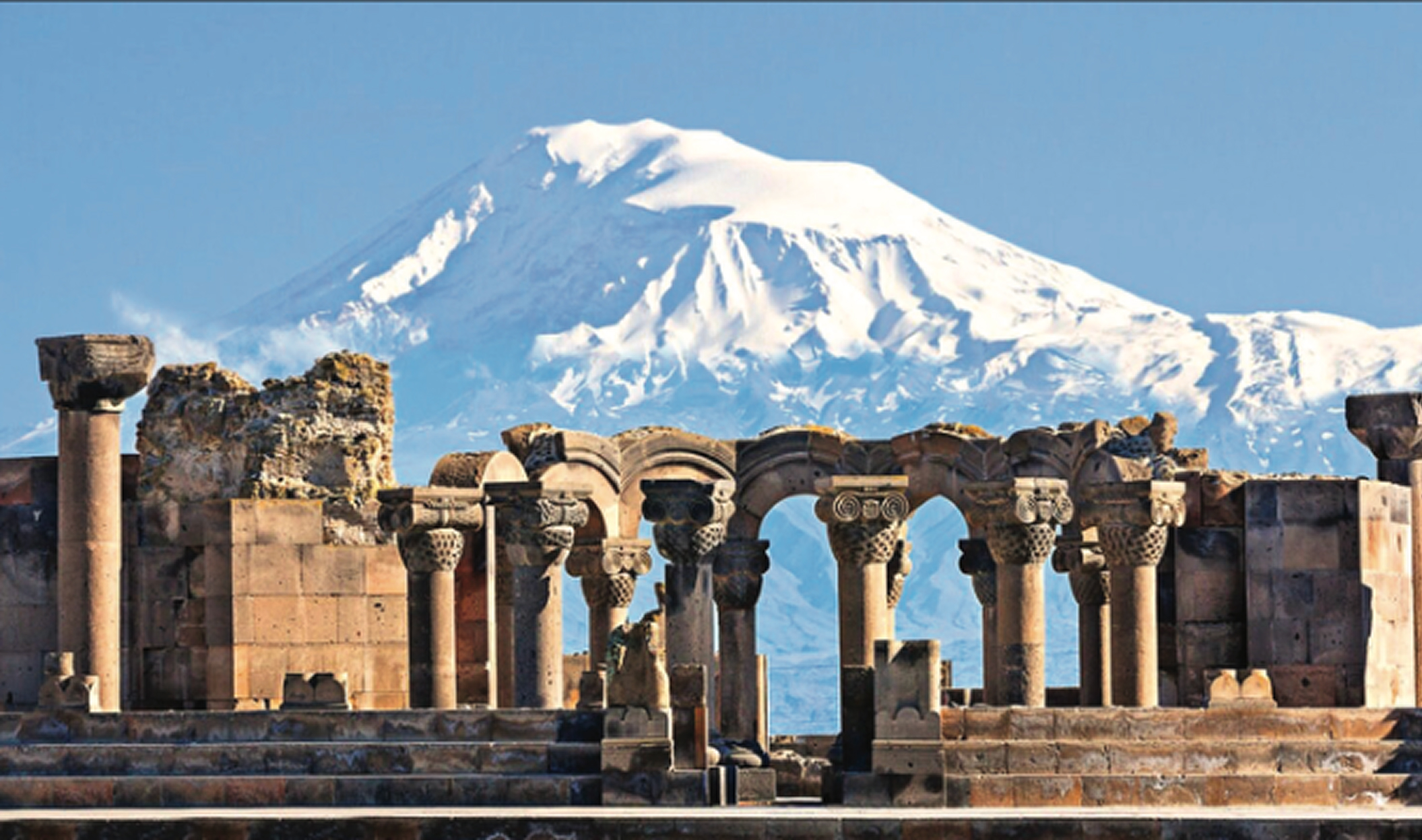

The Armenian government has ap- proved the Tourism Development Strat- egy of Armenia for 2026–2030, aimed at providing comprehensive solutions to challenges facing the sector and co- ordinating ongoing reforms, including legislative changes. The strategic program is designed to serve as a unified policy framework, enabling coordination on issues that directly affect tourists and their experi- ences but fall outside the direct authori- ty of the state body responsible for tour- ism. These include improving access roads to tourist destinations, ensuring cleanliness, and developing essential infrastructure for visitors, such as pub- lic restrooms and other amenities. The strategy defines Armenia’s tourism development vision, key pri- orities, and goals, which will form the basis for future strategic programs and action plans. It also outlines concrete steps to transform Armenia’s tourism potential into an attractive and competi- tive tourism industry both domestically and internationally. With the adoption of the strategy, the government expects to have a guid- ing policy document for the next five years to support sustainable tourism development, attract investments, improve infrastructure and service quality, advance institutional reforms, strength- en Armenia’s image as a safe and wel- coming destination, and increase the country’s visibility and accessibility. According to projections, if the strategy is implemented effectively, Armenia is expected by 2030 to record 3 million inbound tourist visits, tourist spending equivalent to USD 3.8 billion, and 4.5 million domestic tourism visits. The program also envisages the cre- ation of an additional 20,000 jobs. Presenting the strategy, Economy Minister Gevorg Papoyan said Arme- nia must position itself as a tourism crossroads – an attractive, high-quality, safe, peaceful, competitive, and distinc- tive destination. He outlined three main development pillars: cultural tourism; gastro-tourism, including cuisine, wine, and the Armenian brand; and adventure tourism, including winter tourism. The strategy also prioritizes the develop- ment of agro-tourism, MICE tourism, religious, medical, and wellness tour- ism. Papoyan noted that the strategy sets four core objectives. The first is economic, aimed at fully utilizing tourism’s economic potential to drive growth through sectoral reforms. The second focuses on increasing interna- tional attractiveness by strengthening Armenia’s image as an appealing des- tination, with emphasis on hospitality and safety. The third objective is ensur- ing quality, including the provision of